Montmartre Photography Guide - Light, Angles, and Best Spots
Capture Montmartre better with timing, route, and composition advice tailored to the hill's changing light.
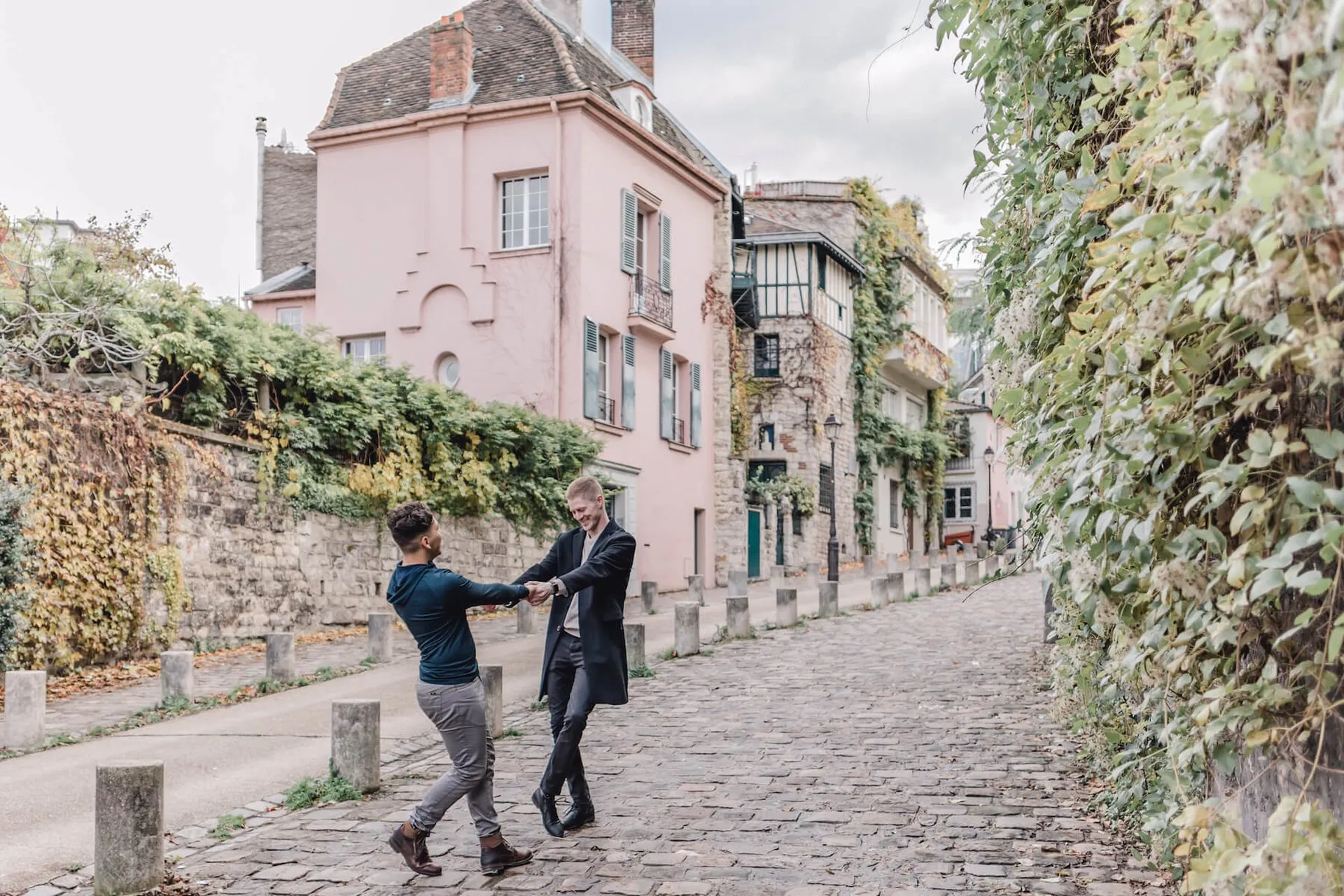
Montmartre is a layered photo environment: broad city views, intimate alleys, portrait-friendly facades, and fast-changing sky.
Shot categories to plan
- Skyline wides.
- Street curves and leading lines.
- Human-scale cafe moments.
- Texture close-ups.
Light windows
| Window | Best for |
|---|---|
| Sunrise | Empty streets and soft tones |
| Late afternoon | Warm facades |
| Blue hour | Mood and contrast |
Composition prompts
- Frame through railings or archways.
- Use stair diagonals for depth.
- Place one subject against broad sky.
Technical mini-block
Street set:
35mm equivalent
Auto ISO cap 3200
Shutter priority for moving crowds
Respect always beats virality. Do not block residents or private entrances.
Final note
The best Montmartre photos usually happen between planned stops, not at them.
A Longer Walk Through This Story
If you read this on the metro, it can feel like an itinerary. On the hill, it feels different: footsteps, changing light, snippets of conversation, and sudden openings in the skyline. Montmartre is rarely linear. Even when you follow a plan, the neighborhood keeps rewriting the rhythm.
Scene You Can Picture
A corner cafe starts stacking chairs. A delivery van pauses on a narrow lane. Someone sketches from a folding stool while church bells fold into street noise. You keep walking, and the same route shifts from landmark to memory.
The secret is not to see everything. It is to notice one moment deeply enough that it becomes yours.
Make This Post Actionable
- Choose one anchor stop from this guide.
- Add one spontaneous detour street.
- Leave 20 minutes unplanned at the end.
- Write down one sensory detail before you leave the area.
Journal Prompt (2 Minutes)
- What did Montmartre look like from far away?
- What did it feel like up close?
- Which detail will you still remember next month?
Narrative Chapter: Photographing Atmosphere, Not Just Locations
Strong Montmartre images are often made in transitions: walking between landmarks, turning on a slope, waiting at a crossing while light shifts on plaster walls. If you chase only known spots, your gallery looks familiar. If you chase atmosphere, it becomes personal.
Watch for micro-events: a cyclist cutting across frame, a window opening above a cafe awning, steam from a kitchen vent in cold air.
Narrative Shot List
- Establishing frame: where are we?
- Mid-scene frame: who is here?
- Detail frame: what does this place feel like?
Sequence those three and your photos tell a story, not just a location pin.
关于作者

Paris Neighborhood Guide
这份指南写给希望把蒙马特当作真实生活街区来理解的旅行者,而不只是风景背景板。目标很简单:选择更清晰、规划更聪明、现场体验更饱满。
Tags
Comments (0)
Loading comments...