Amelie Locations in Montmartre - Self-Guided Film Walk
Explore key Amelie filming spots in Montmartre with a practical route and crowd-smart timing.
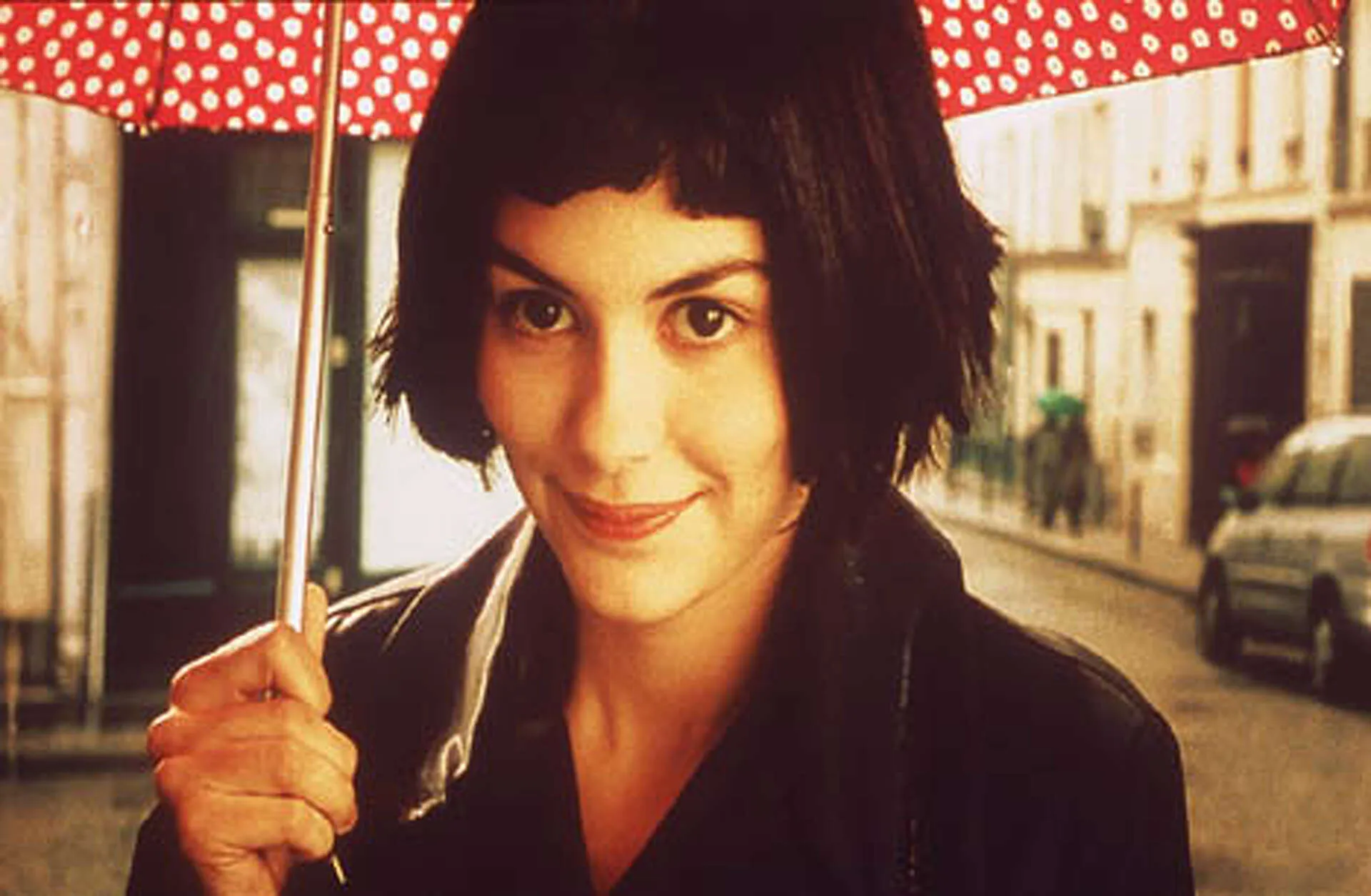
Cinema can freeze a neighborhood in time. Walking Montmartre after watching Amelie is like comparing memory with reality, scene by scene.
Suggested film walk
- Start near Abbesses.
- Continue to Cafe des 2 Moulins area.
- Climb toward lanes that keep the movie's intimate scale.
- End with a wide hilltop view to reset perspective.
What changed and what did not
| Element | Then | Now |
|---|---|---|
| Atmosphere | Bohemian nostalgia | Mixed with high tourism |
| Cafes | Local anchors | Local + global visitors |
| Streets | Quiet intervals | Alternating calm and surges |
Film routes are best enjoyed as inspiration, not strict reenactment.
Tiny scene exercise
Write three lines in your notes app at each stop:
- What you expected.
- What you found.
- What surprised you.
Useful timing
Early weekday mornings preserve the cinematic feeling. Weekend afternoons shift the mood to energetic and social.
Closing line
An Amelie walk is less about checking locations and more about practicing attention.
A Longer Walk Through This Story
If you read this on the metro, it can feel like an itinerary. On the hill, it feels different: footsteps, changing light, snippets of conversation, and sudden openings in the skyline. Montmartre is rarely linear. Even when you follow a plan, the neighborhood keeps rewriting the rhythm.
Scene You Can Picture
A corner cafe starts stacking chairs. A delivery van pauses on a narrow lane. Someone sketches from a folding stool while church bells fold into street noise. You keep walking, and the same route shifts from landmark to memory.
The secret is not to see everything. It is to notice one moment deeply enough that it becomes yours.
Make This Post Actionable
- Choose one anchor stop from this guide.
- Add one spontaneous detour street.
- Leave 20 minutes unplanned at the end.
- Write down one sensory detail before you leave the area.
Journal Prompt (2 Minutes)
- What did Montmartre look like from far away?
- What did it feel like up close?
- Which detail will you still remember next month?
Narrative Chapter: Cinema Versus Street Reality
Film gives Montmartre a curated emotional filter. Real streets give it friction, weather, and unpredictability. The pleasure of this route comes from comparing those two layers without trying to force one to become the other.
At one stop you recognize a composition from the film. At the next, you notice a delivery truck parked where your imagined shot should be. That mismatch is not disappointment; it is the live city reminding you it is still alive.
Scene Comparison Exercise
- Film memory: what tone did the scene suggest?
- Street reality: what tone is here now?
- Personal reading: what version feels truer to your visit?
The best film walks are conversations between fiction and present time.
关于作者

Paris Neighborhood Guide
这份指南写给希望把蒙马特当作真实生活街区来理解的旅行者,而不只是风景背景板。目标很简单:选择更清晰、规划更聪明、现场体验更饱满。
Tags
Comments (0)
Loading comments...