Montmartre Food and Wine Guide - Streets, Stops, and Tasting Pace
Plan a delicious Montmartre walk with practical tasting order, neighborhood stop ideas, and timing advice.
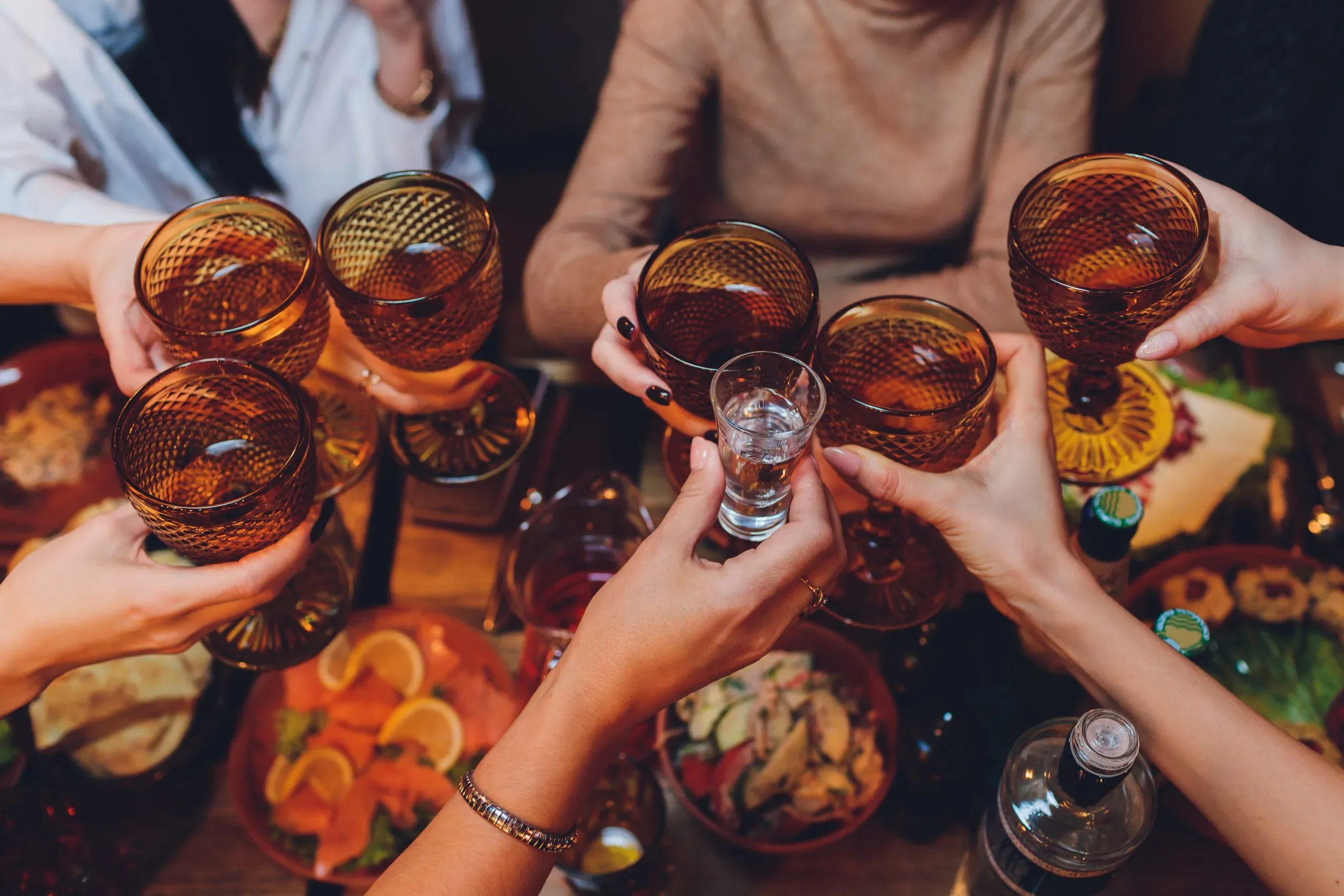
Montmartre tastes different uphill and downhill. Morning is butter and crust. Evening is sauce, glassware, and conversation.
Build your tasting arc
- Bakery start: one viennoiserie + espresso.
- Midday market bite: cheese or charcuterie.
- Late lunch: classic bistro plate.
- Evening: one wine bar, not three.
Tasting cadence formula
$$ enjoyment = quality imes pacing $$
Rushing doubles spending and halves memory.
Table: realistic budget bands
| Style | Per person estimate |
|---|---|
| Snack-focused | EUR 15-25 |
| Mixed tasting day | EUR 35-60 |
| Full sit-down + wine | EUR 60-95 |
Short neighborhood script
09:00 bakery
11:30 market lane
13:00 bistro lunch
18:30 wine stop
Pro tip: ask for one house recommendation instead of ordering from social media lists.
Final note
A good Montmartre food day feels curated but not optimized. Leave room for one spontaneous stop.
A Longer Walk Through This Story
If you read this on the metro, it can feel like an itinerary. On the hill, it feels different: footsteps, changing light, snippets of conversation, and sudden openings in the skyline. Montmartre is rarely linear. Even when you follow a plan, the neighborhood keeps rewriting the rhythm.
Scene You Can Picture
A corner cafe starts stacking chairs. A delivery van pauses on a narrow lane. Someone sketches from a folding stool while church bells fold into street noise. You keep walking, and the same route shifts from landmark to memory.
The secret is not to see everything. It is to notice one moment deeply enough that it becomes yours.
Make This Post Actionable
- Choose one anchor stop from this guide.
- Add one spontaneous detour street.
- Leave 20 minutes unplanned at the end.
- Write down one sensory detail before you leave the area.
Journal Prompt (2 Minutes)
- What did Montmartre look like from far away?
- What did it feel like up close?
- Which detail will you still remember next month?
Narrative Chapter: Eating the Hill in Chapters
Food in Montmartre is topography plus timing. Morning sweetness near the lower slopes. Savory midday pauses where streets widen. Evening glasses where voices settle and time stretches. The best tasting days feel composed, not crowded.
A mistake many travelers make is stacking too many highlights into one afternoon. Palate fatigue arrives quickly on steep streets. Better to create intervals: taste, walk, reset, taste again.
Slow-Tasting Structure
- One bakery anchor.
- One market-style bite.
- One seated meal.
- One intentional wine stop.
The memory of a food day is built by sequence, not volume.
เกี่ยวกับผู้เขียน

Paris Neighborhood Guide
คู่มือนี้เขียนขึ้นเพื่อคนที่อยากเข้าใจมงต์มาร์ตร์ในฐานะย่านที่มีชีวิต ไม่ใช่แค่ฉากสวย เป้าหมายคือช่วยให้คุณตัดสินใจชัดขึ้น วางแผนฉลาดขึ้น และได้ประสบการณ์หน้างานที่ลึกขึ้น
Tags
Comments (0)
Loading comments...