Montmartre Etiquette Guide - Avoid Common Visitor Mistakes
Visit Montmartre more respectfully and comfortably with this practical etiquette and mistakes guide.
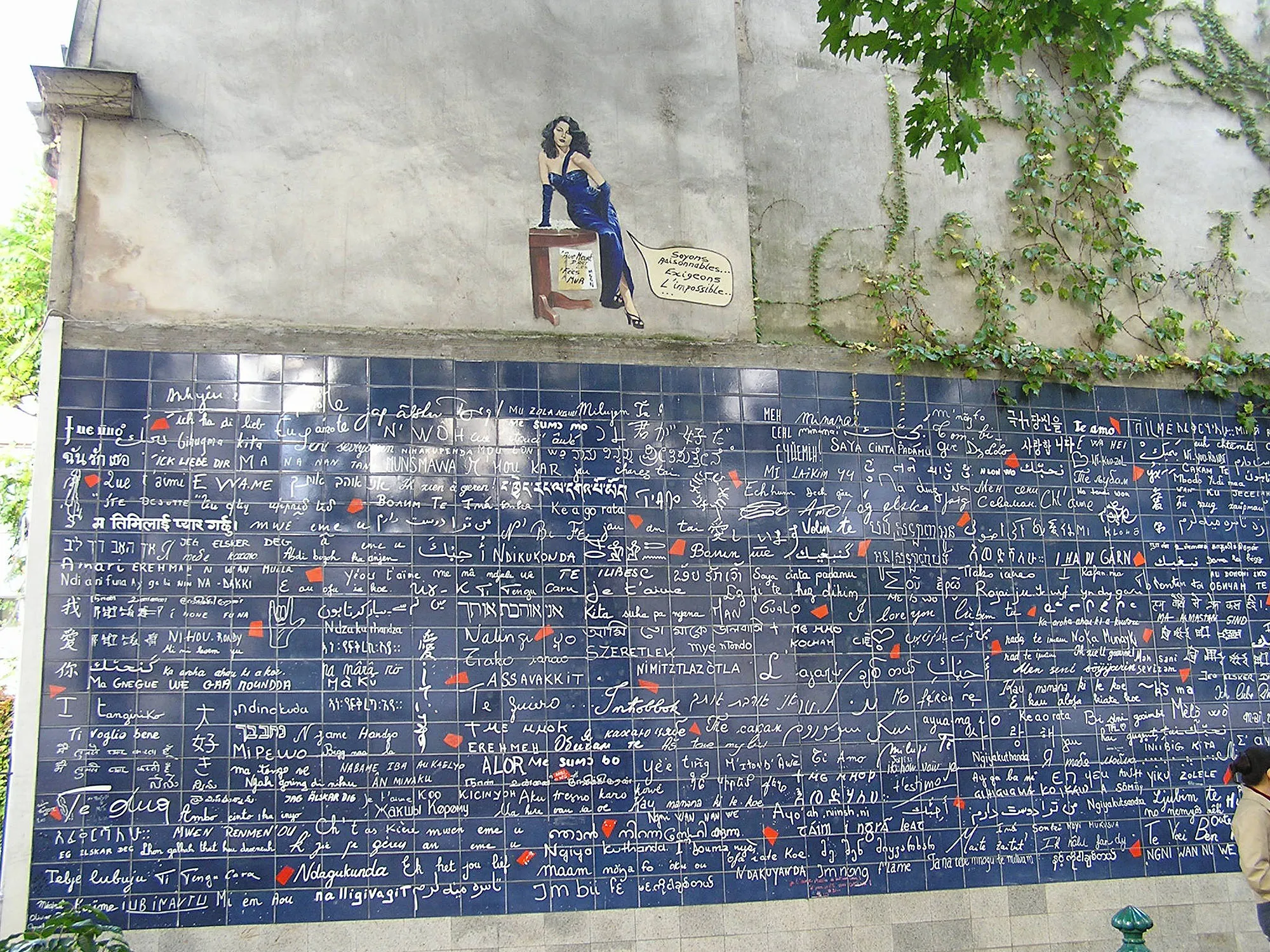
Montmartre works best when visitors treat it as both destination and neighborhood.
Frequent mistakes -> better alternatives
| Mistake | Better move |
|---|---|
| Blocking narrow lanes for photos | Take turns, keep passage open |
| Loud calls on quiet streets | Lower voice near homes |
| Rushing uphill in midday heat | Climb early or late |
| Eating only at first visible terraces | Walk one block further |
Quick etiquette list
- Keep sidewalks passable.
- Ask before close portraits.
- Dispose of litter immediately.
- Respect religious spaces.
A simple rule
If locals can continue daily life comfortably around you, you are doing Montmartre right.
Final takeaway
Good etiquette improves not only local relationships, but your own experience quality.
A Longer Walk Through This Story
If you read this on the metro, it can feel like an itinerary. On the hill, it feels different: footsteps, changing light, snippets of conversation, and sudden openings in the skyline. Montmartre is rarely linear. Even when you follow a plan, the neighborhood keeps rewriting the rhythm.
Scene You Can Picture
A corner cafe starts stacking chairs. A delivery van pauses on a narrow lane. Someone sketches from a folding stool while church bells fold into street noise. You keep walking, and the same route shifts from landmark to memory.
The secret is not to see everything. It is to notice one moment deeply enough that it becomes yours.
Make This Post Actionable
- Choose one anchor stop from this guide.
- Add one spontaneous detour street.
- Leave 20 minutes unplanned at the end.
- Write down one sensory detail before you leave the area.
Journal Prompt (2 Minutes)
- What did Montmartre look like from far away?
- What did it feel like up close?
- Which detail will you still remember next month?
Narrative Chapter: Respect as Travel Intelligence
Etiquette is often framed as politeness, but in Montmartre it is also strategy. Respectful behavior improves your own access to calm streets, better interactions, and more authentic moments. Friction usually comes from pace mismatch: visitor urgency meeting residential rhythm.
When you move with awareness, doors open figuratively and sometimes literally. A short exchange with a shopkeeper, a recommendation not on maps, a lane you might have ignored.
Respect-in-Action
- Lower volume near homes.
- Keep movement fluid in narrow passages.
- Ask before photographing close portraits.
In neighborhoods like this, courtesy is not decorative. It is practical.
Sobre o autor

Paris Neighborhood Guide
Este guia foi criado para viajantes que querem entender Montmartre como um bairro vivido, e nao apenas como cenario. O objetivo e simples: escolhas mais claras, planeamento mais inteligente e uma experiencia no terreno muito mais rica.
Tags
Comments (0)
Loading comments...