Moulin Rouge and Montmartre Night Guide - History and Planning
Plan an evening around Moulin Rouge with context, logistics, and practical timing to avoid stress.
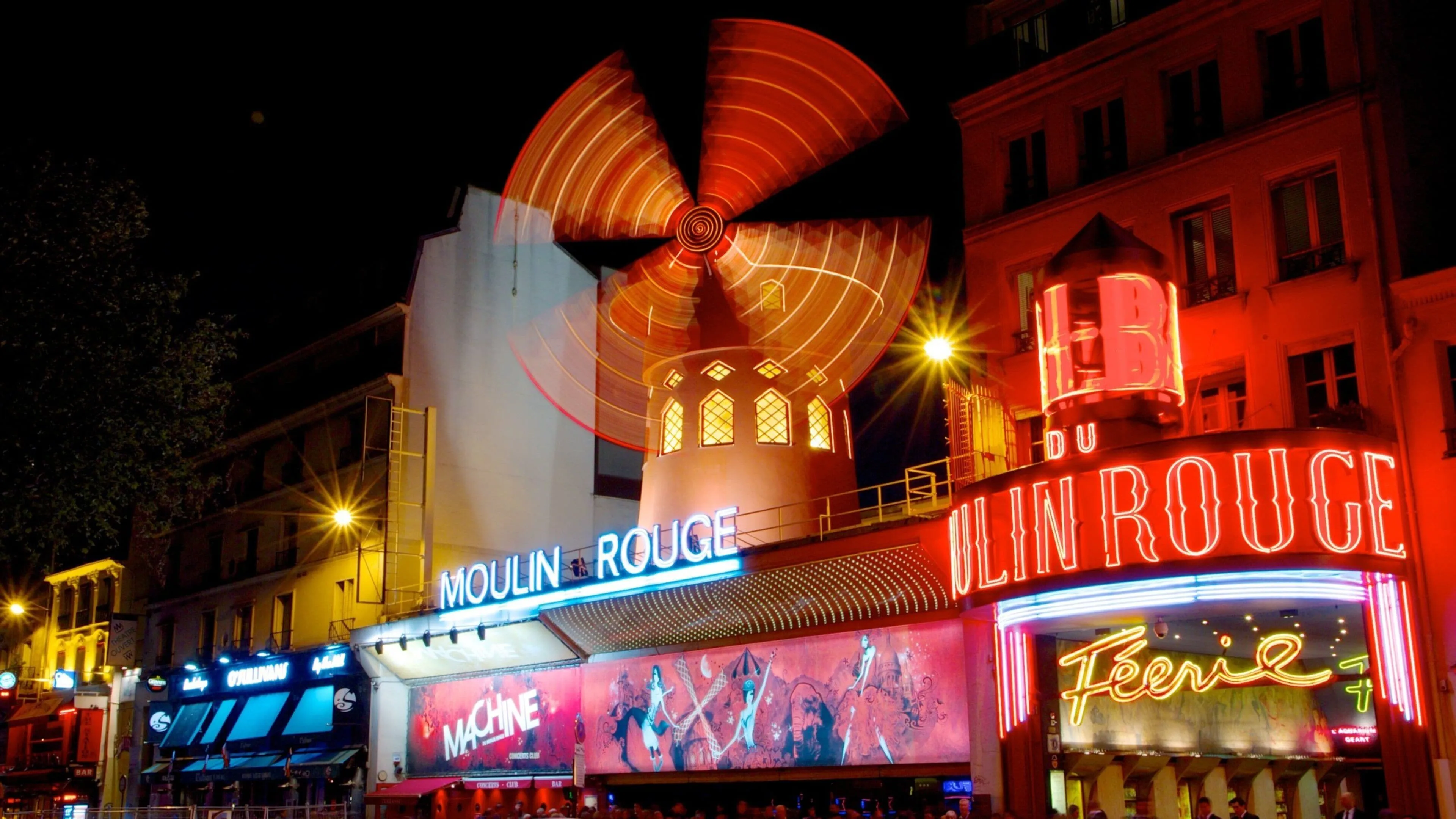
Moulin Rouge belongs to the Montmartre story, but not in the same emotional register as the hilltop lanes. It is louder, brighter, and intentionally theatrical.
Historical frame
The area became known for nightlife that mixed spectacle, satire, and social crossover. That legacy still shapes visitor expectations.
Evening flow that works
- Early dinner around 19:00.
- Buffer time for queues and security checks.
- Post-show transport decision before midnight.
Practical matrix
| Priority | Recommendation |
|---|---|
| Less stress | Stay nearby for dinner |
| Better photos | Arrive before full dark |
| Easy exit | Know your metro backup |
Narrative contrast
In one day you can stand in silent basilica aisles, then watch neon reflections under the red windmill. Few neighborhoods offer such a sharp tonal shift.
Do and do not
- Keep valuables secure in dense evening zones.
- Pre-book fixed-time experiences.
- Assume post-show taxis are immediate.
Last word
Treat Moulin Rouge as one chapter, not the whole book. Pair it with daytime Montmartre to understand the neighborhood fully.
A Longer Walk Through This Story
If you read this on the metro, it can feel like an itinerary. On the hill, it feels different: footsteps, changing light, snippets of conversation, and sudden openings in the skyline. Montmartre is rarely linear. Even when you follow a plan, the neighborhood keeps rewriting the rhythm.
Scene You Can Picture
A corner cafe starts stacking chairs. A delivery van pauses on a narrow lane. Someone sketches from a folding stool while church bells fold into street noise. You keep walking, and the same route shifts from landmark to memory.
The secret is not to see everything. It is to notice one moment deeply enough that it becomes yours.
Make This Post Actionable
- Choose one anchor stop from this guide.
- Add one spontaneous detour street.
- Leave 20 minutes unplanned at the end.
- Write down one sensory detail before you leave the area.
Journal Prompt (2 Minutes)
- What did Montmartre look like from far away?
- What did it feel like up close?
- Which detail will you still remember next month?
Narrative Chapter: Neon and Memory
South Montmartre at night is an exercise in contrast. The red windmill glows with deliberate theatricality while nearby streets carry ordinary evening routines: late groceries, buses, quick cigarettes at doorways. The area asks you to hold both realities at once.
Treat the evening like a sequence rather than a single event. Pre-show transition matters. Post-show exit matters. The emotional high point is often not the show itself, but the walk afterward when the noise drops and the city regains detail.
Evening Sequence with Less Friction
- Arrive early enough to orient calmly.
- Keep one backup route for return transit.
- End with a short, quieter walk before heading back.
Spectacle is richer when framed by context.
L'autore

Paris Neighborhood Guide
Questa guida e stata creata per viaggiatori che vogliono capire Montmartre come quartiere vissuto, non solo come sfondo scenografico. L'obiettivo e semplice: scelte piu chiare, pianificazione piu intelligente e un'esperienza sul posto davvero piu ricca.
Tags
Comments (0)
Loading comments...