Most Instagrammable Places in Montmartre - Complete Photo Route and Tips
Plan the ultimate Montmartre photo walk with iconic viewpoints, hidden streets, cafe facades, staircase angles, and local timing strategies.

Montmartre is one of the rare places in Paris where a single neighborhood can give you postcard panoramas, quiet village alleys, cinema-like corners, and architectural details that feel designed for a camera. But the magic is not just in the locations. It is in the order you visit them, the time of day, and the rhythm you keep between one stop and the next.
This is a long-form narrative trail for travelers who want beautiful photos and a deeper sense of place.
Why Montmartre photographs so well
Montmartre sits on a hill, which means constant shifts in perspective. Every ascent gives you a new skyline. Every descent gives you layered facades, stair diagonals, cafe terraces, and sudden pockets of silence.
Historically, this area was an independent village before becoming part of Paris in the 19th century. Later, artists and musicians settled here because rents were lower and studio life was possible. That creative legacy still shapes the visual identity of the neighborhood today.
In Montmartre, good photos come from transitions as much as destinations.
A visual route through the most instagrammable places
1) La Maison Rose and Rue de l'Abreuvoir
Pink walls, green shutters, ivy textures, and gentle curves in the street make this one of the strongest color compositions in the area. It is iconic for a reason, but still feels intimate if you arrive early.

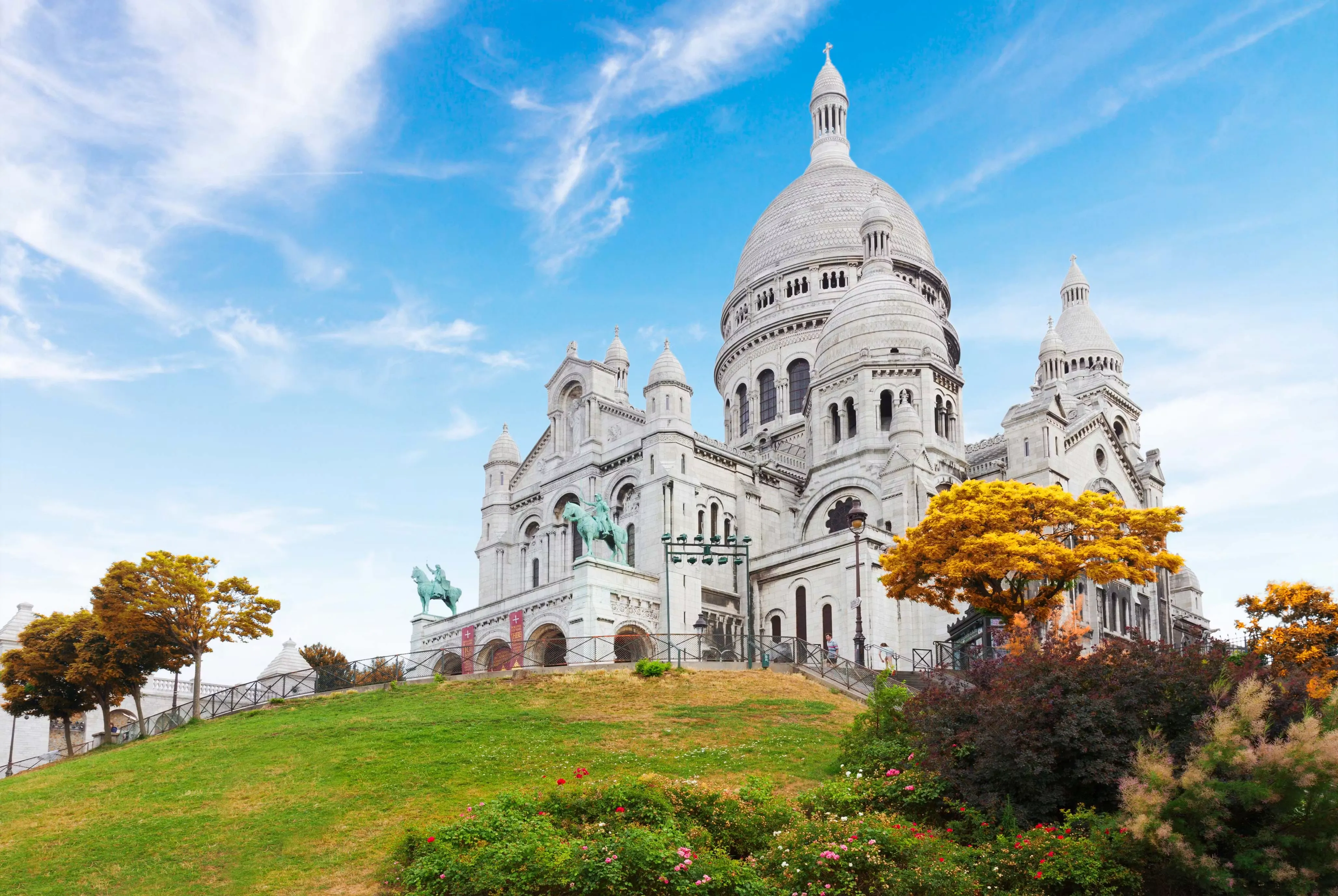
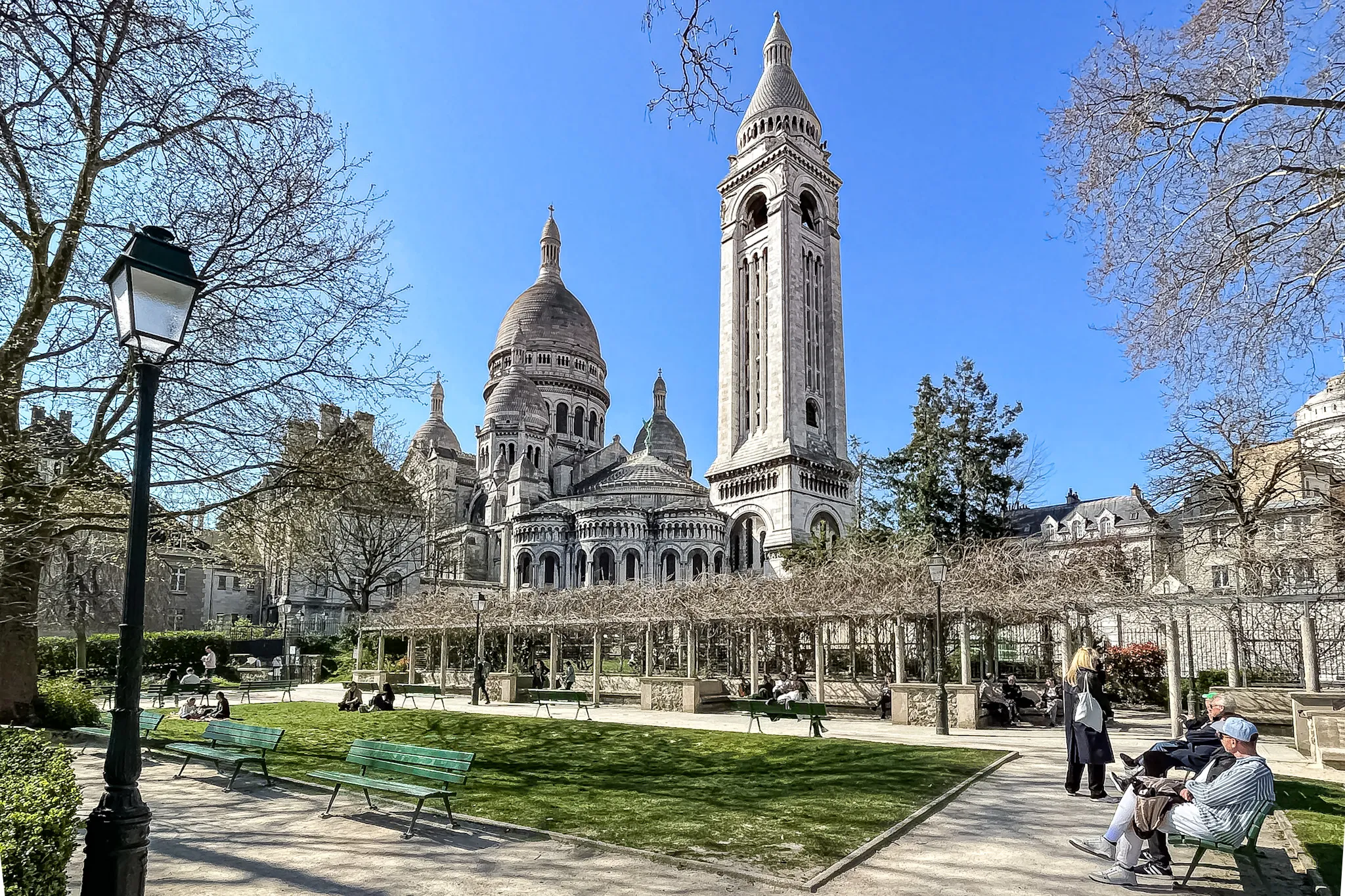
2) Sacre-Coeur and the forecourt approaches
The basilica reads differently from every angle. Wide shots from below emphasize scale. Closer shots highlight stone texture and symmetry. Side approaches often produce cleaner compositions than direct frontal positions.
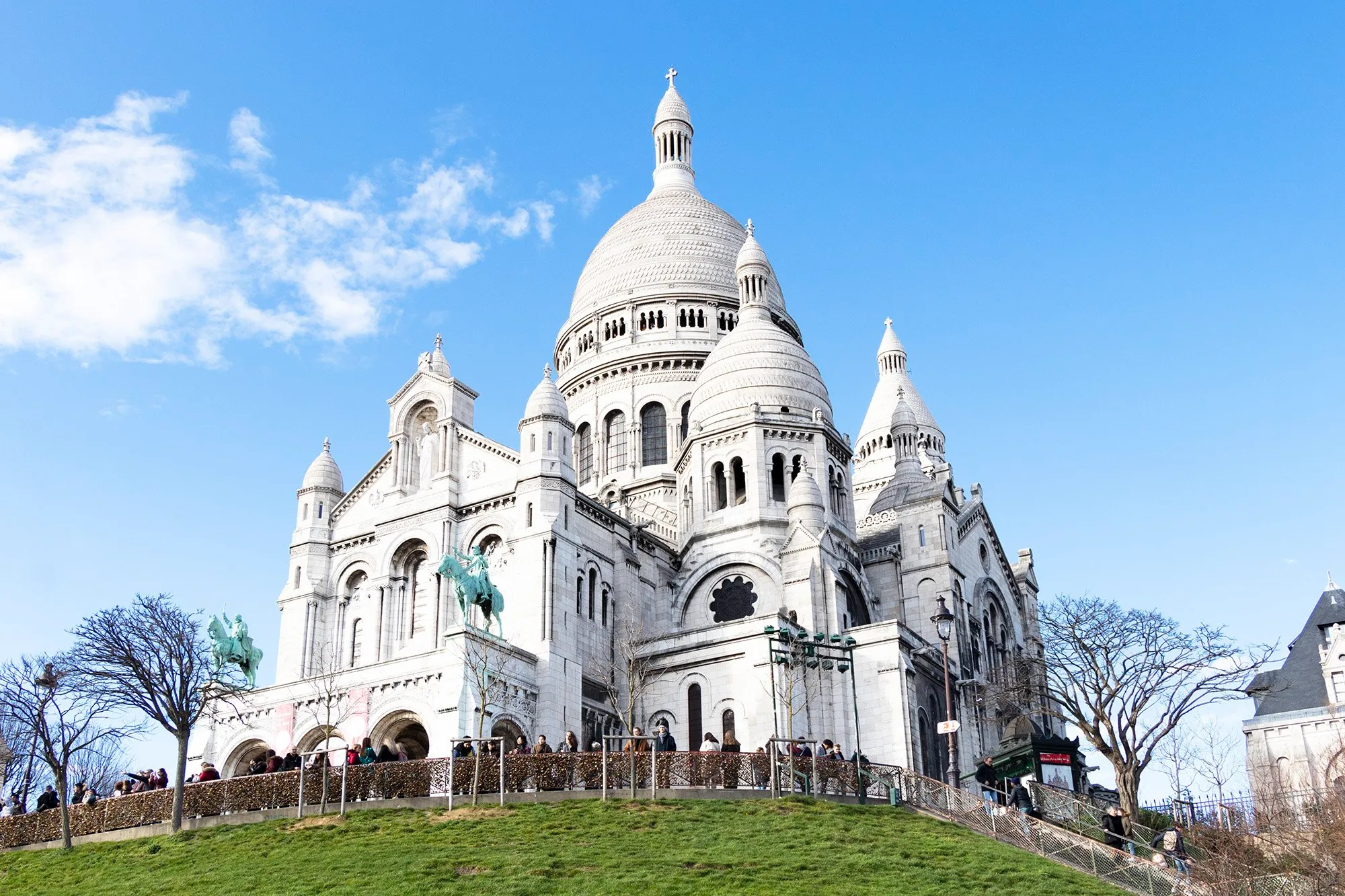
3) Square Louise Michel and the staircase axis
The long garden ascent gives one of the classic perspective lines in Montmartre. You can frame the basilica while also capturing urban depth toward central Paris.
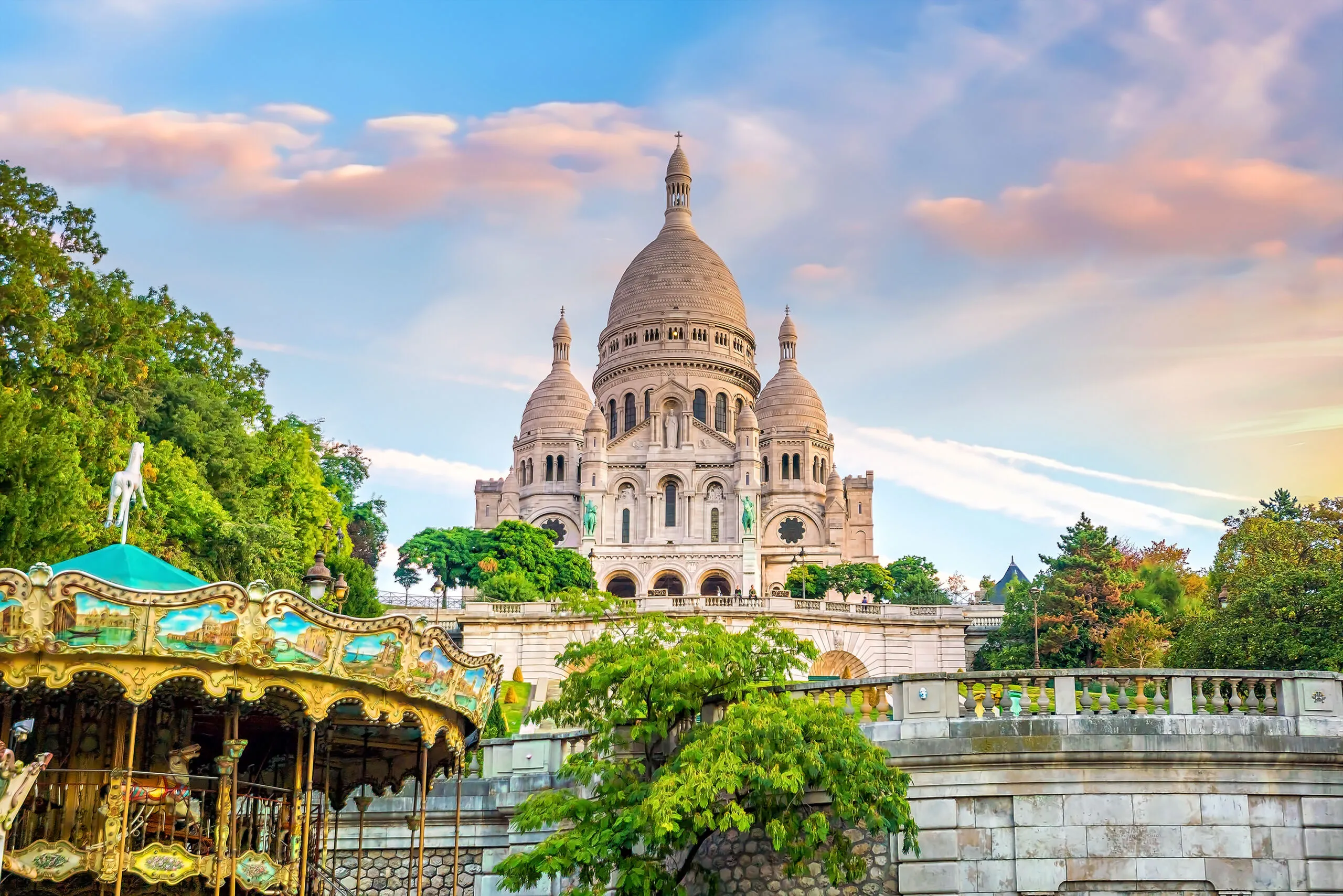
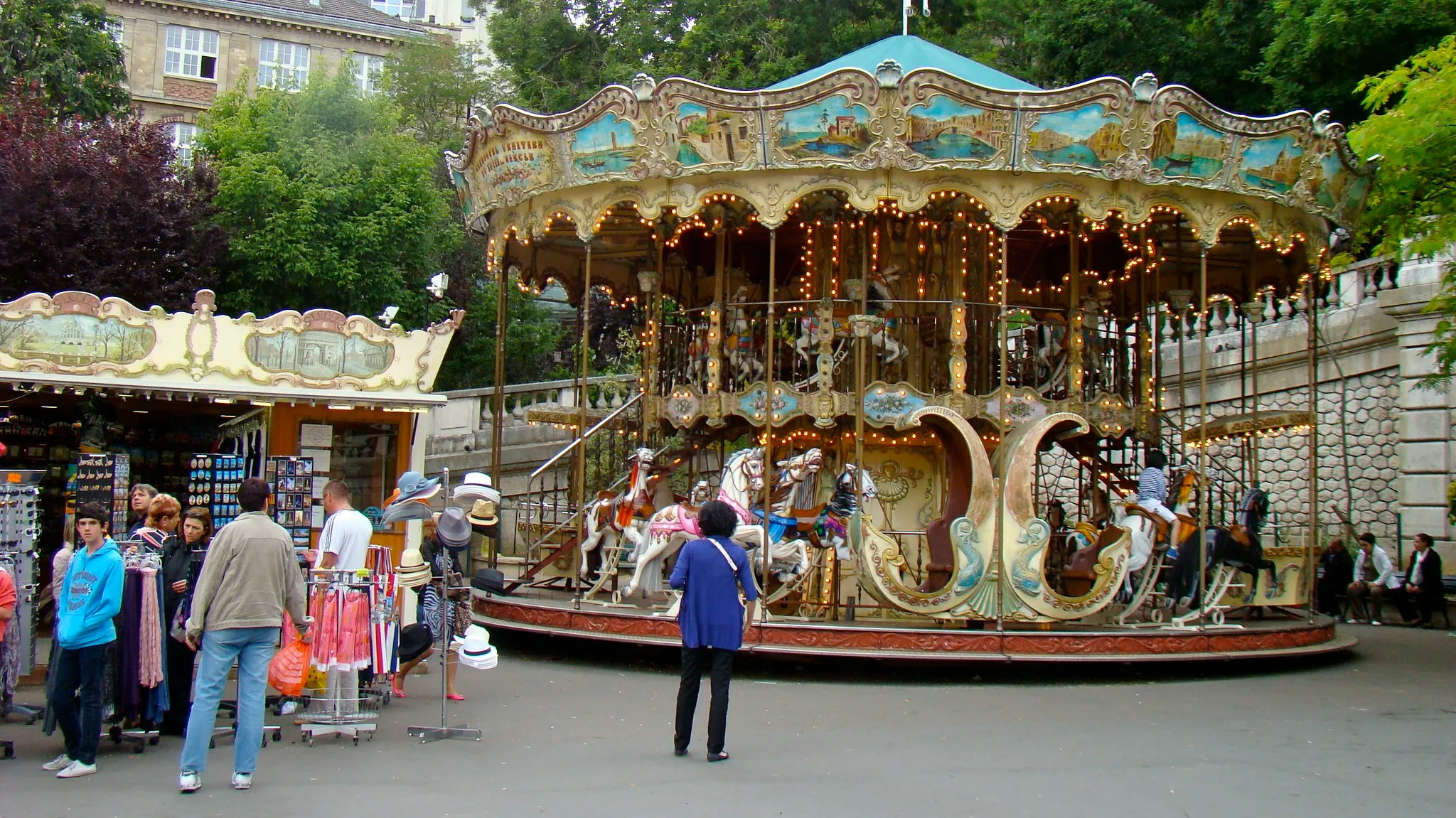
4) The carousel at Place Saint-Pierre
A playful foreground element with the hill and basilica behind it. This spot works especially well for layered shots that combine movement and architecture.
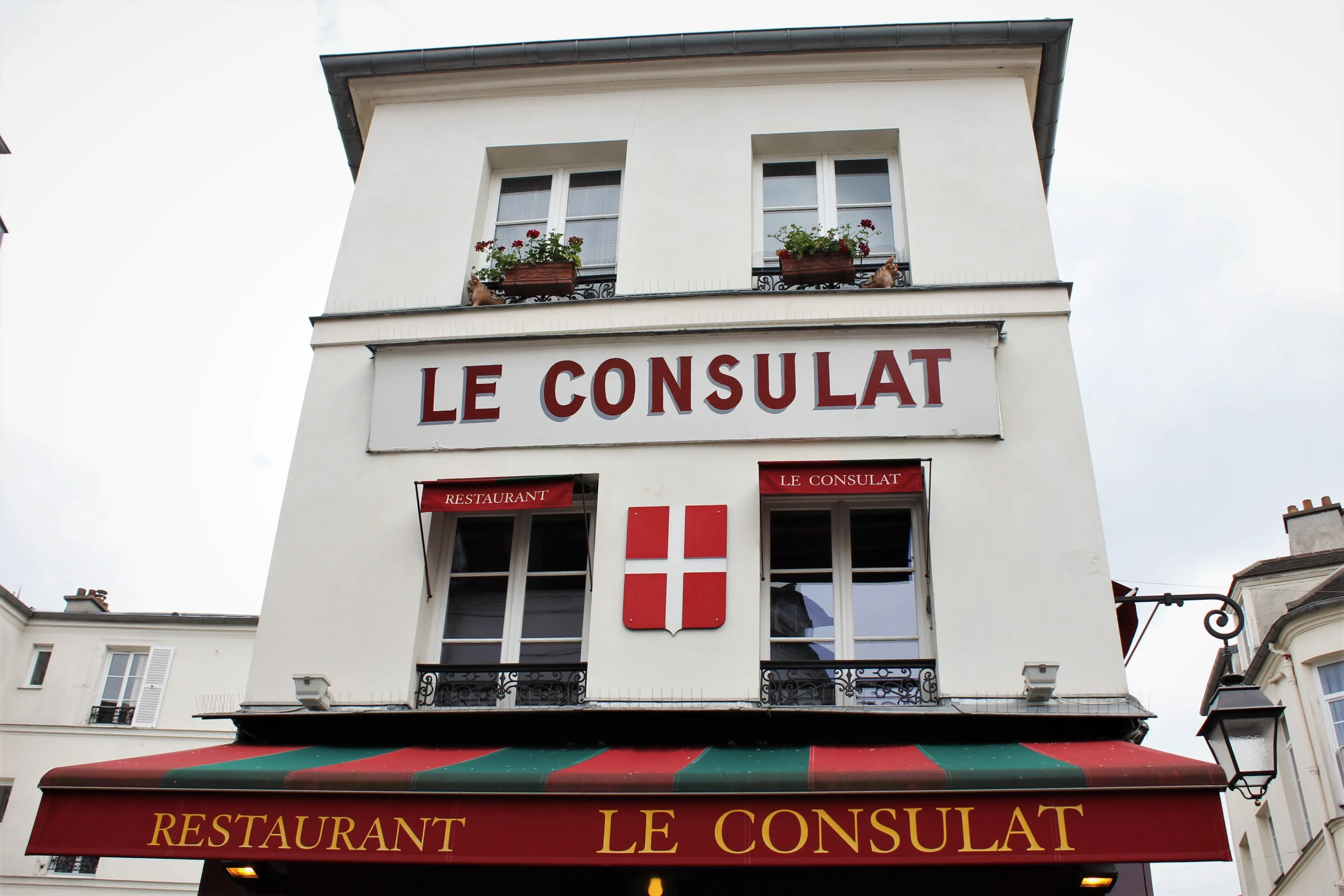
5) Le Consulat and La Bonne Franquette
Two neighboring facades that represent the nostalgic bistro aesthetic many travelers seek. Go for oblique angles rather than flat front views to include street life.
6) Lamarck-Caulaincourt metro entrance and nearby steps
Classic metro signage, old-style lampposts, and ascending stairs create a strong Parisian frame. This is one of the best places for a vertical composition.

7) Le Refuge corner
A red-fronted bistro scene near Lamarck that captures everyday Montmartre atmosphere without requiring complex framing.
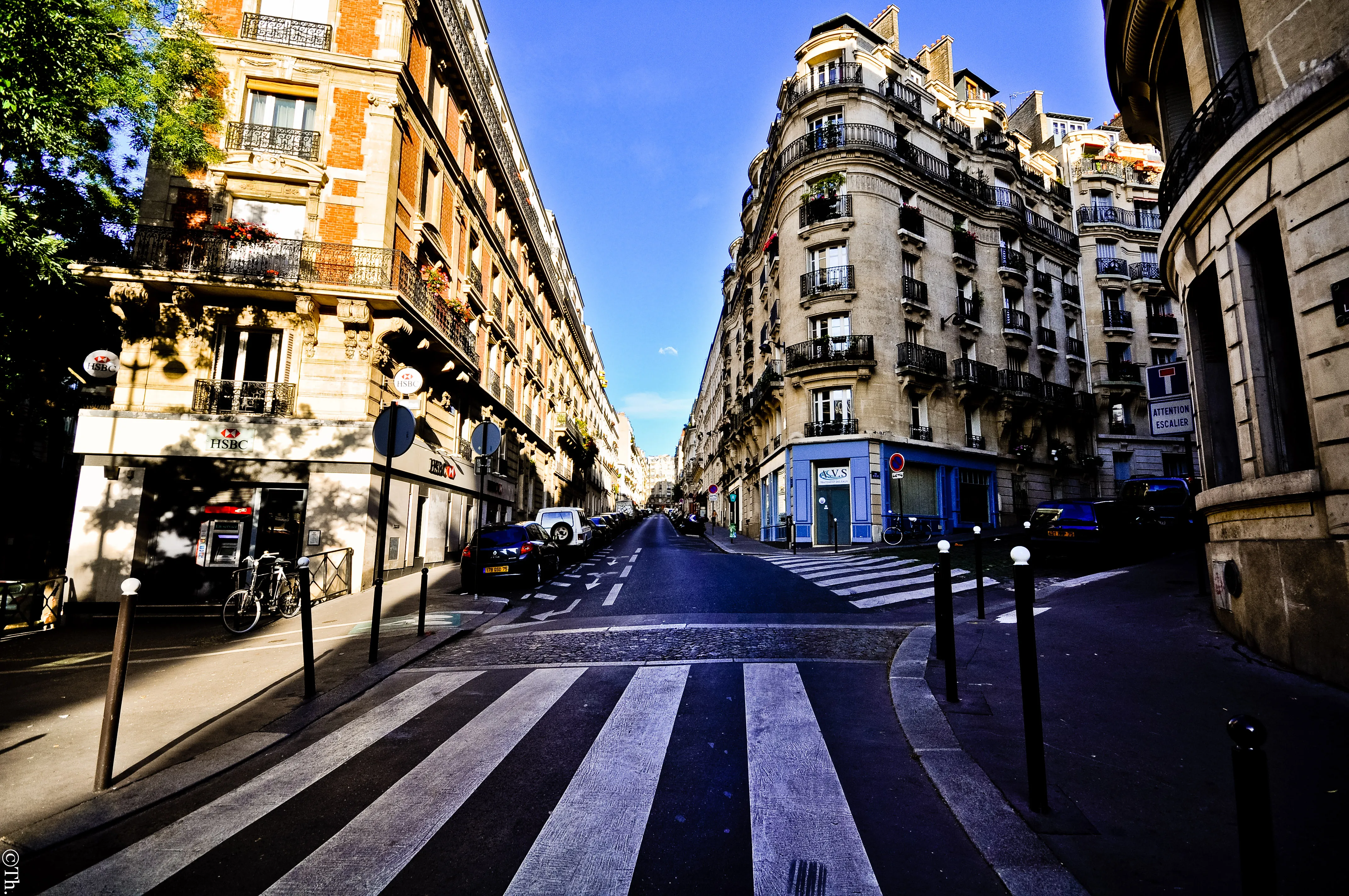
8) Abbesses metro entrance
One of the most recognizable Art Nouveau station entrances in Paris. Patience matters here: pedestrian flow is constant, but intervals open quickly if you wait.
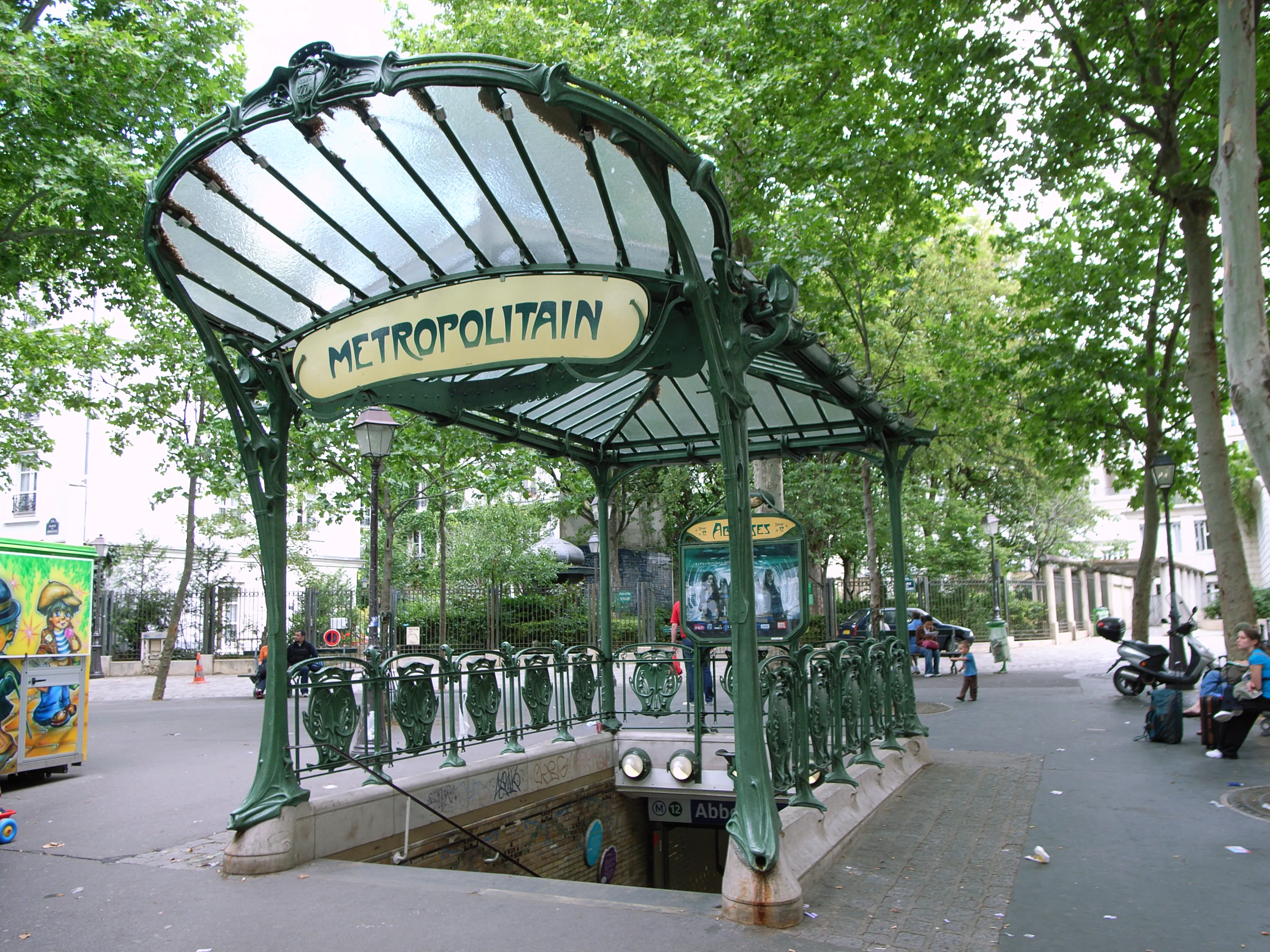
9) The Wall of Love
A graphic, text-based photo stop with strong visual contrast and multilingual detail. Great for close framing and storytelling captions.
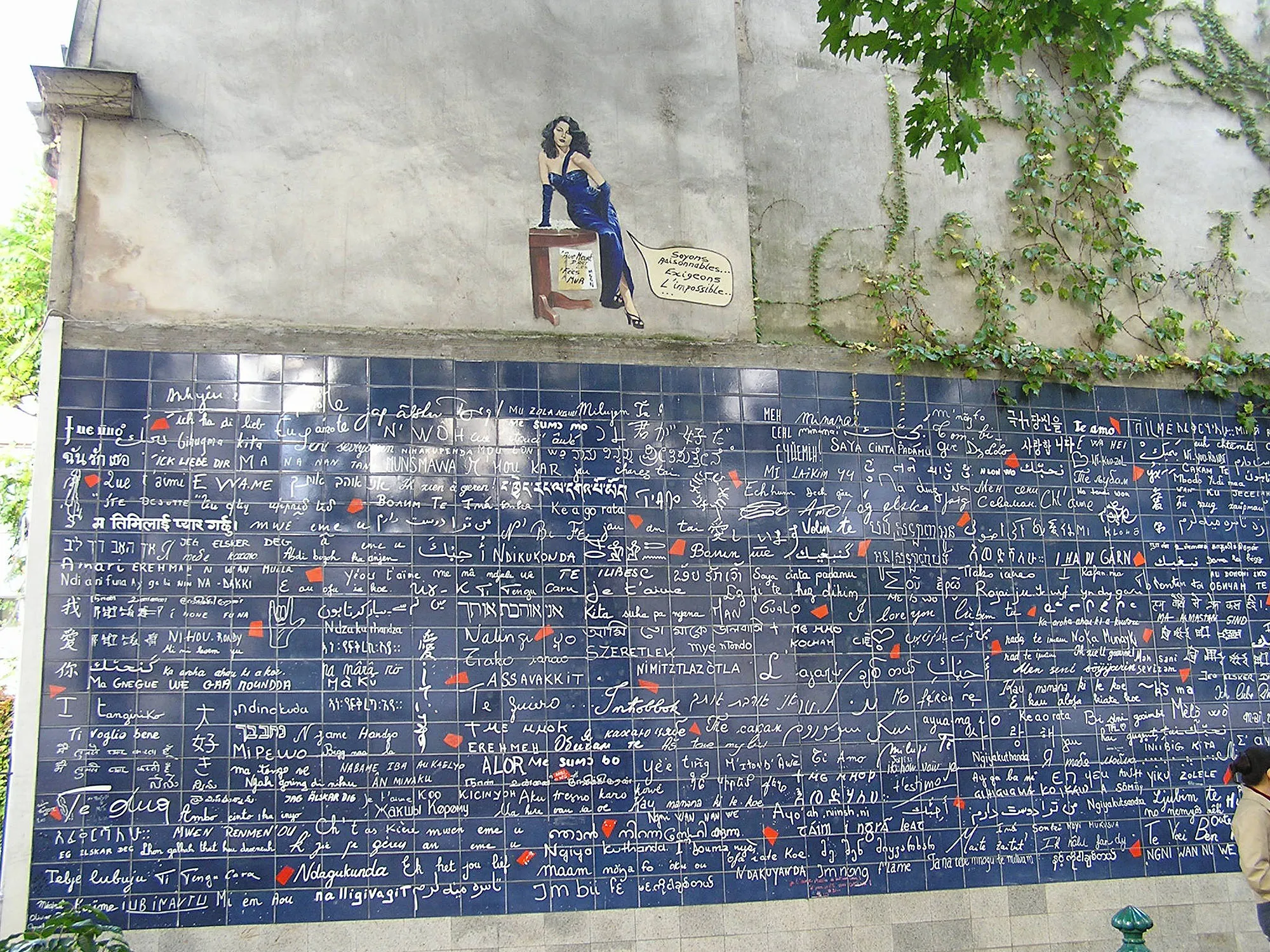
10) Le Vrai Paris
A floral and vintage-style cafe facade that works beautifully in soft morning light. Use a medium focal length for cleaner composition.
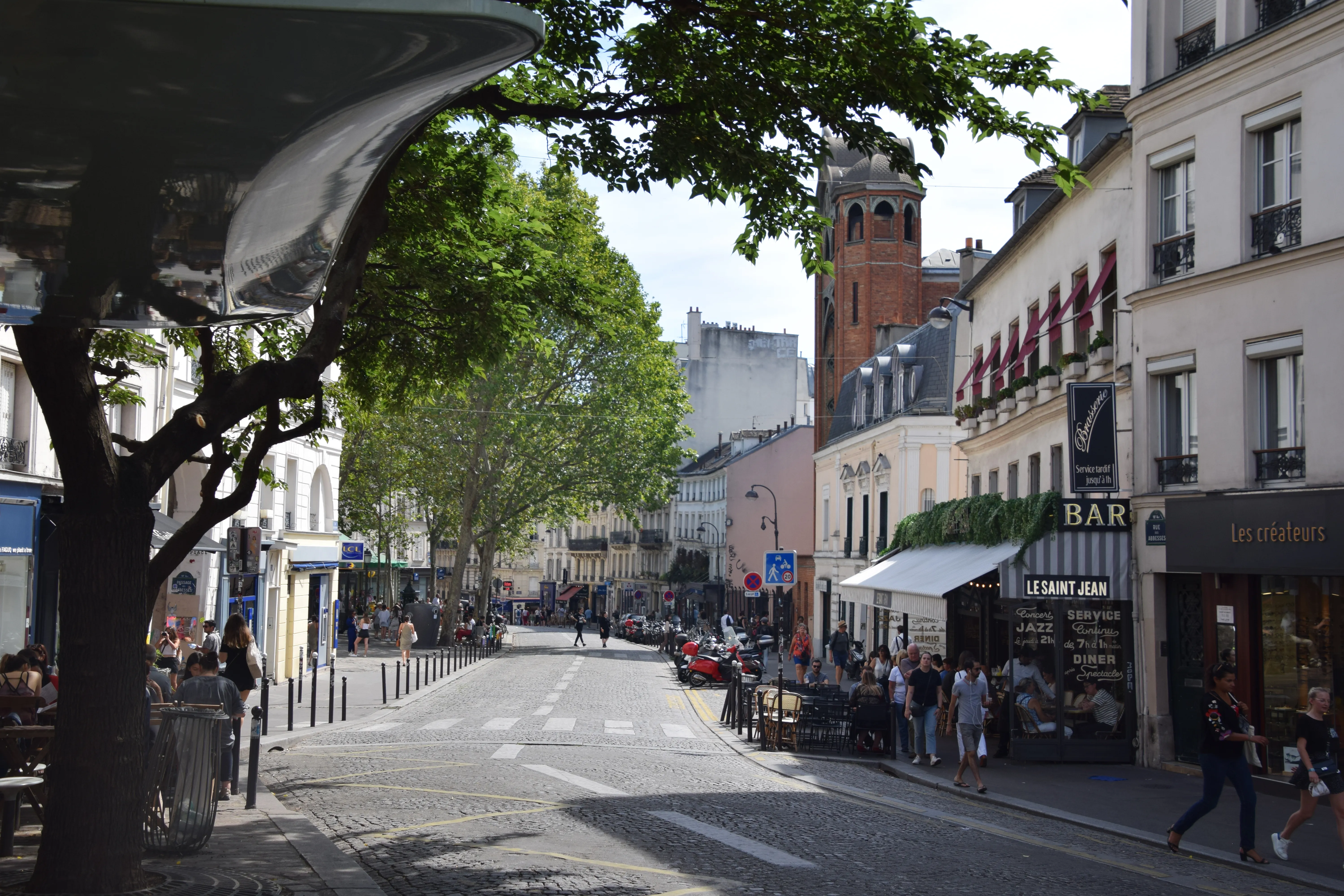
11) The ivy house corners (Rue des Saules area)
Seasonal color changes make this zone especially photogenic in autumn. Treat it as a detail stop: windows, shutters, vines, and corner geometry.

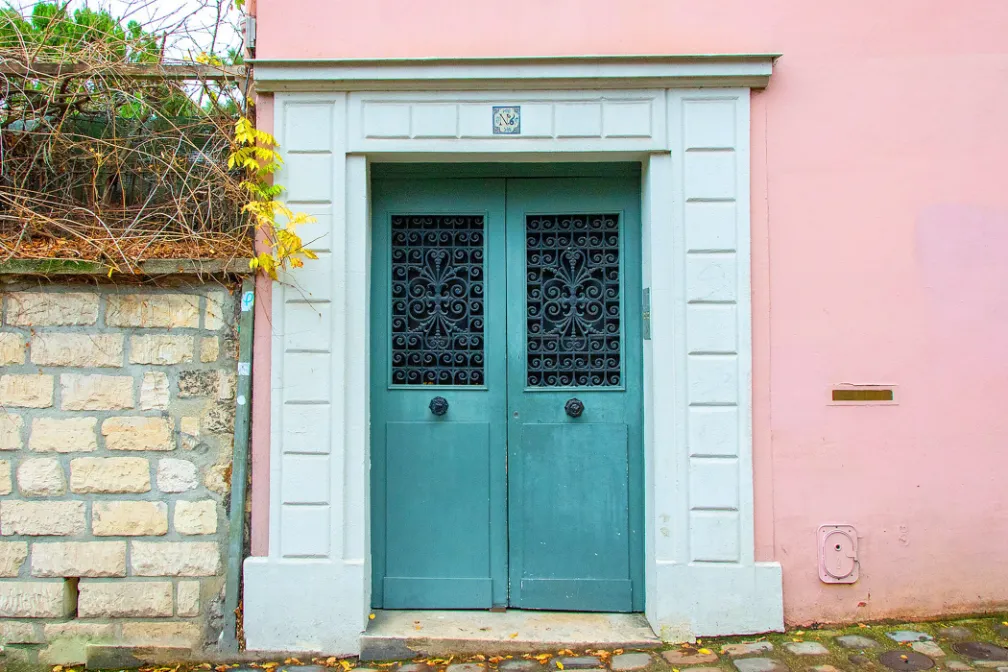
12) Blue-door facades near upper lanes
Less famous than the headline spots, but perfect for intimate neighborhood images with color contrast.
13) Au Lapin Agile
One of the historic cabaret landmarks of Montmartre. A strong stop for travelers interested in music and bohemian history as visual narrative.

14) The famous ivy wall in fall season
When foliage turns, this becomes one of the most photographed surfaces in the district. The wall can shift from green to amber to deep red within a short period.
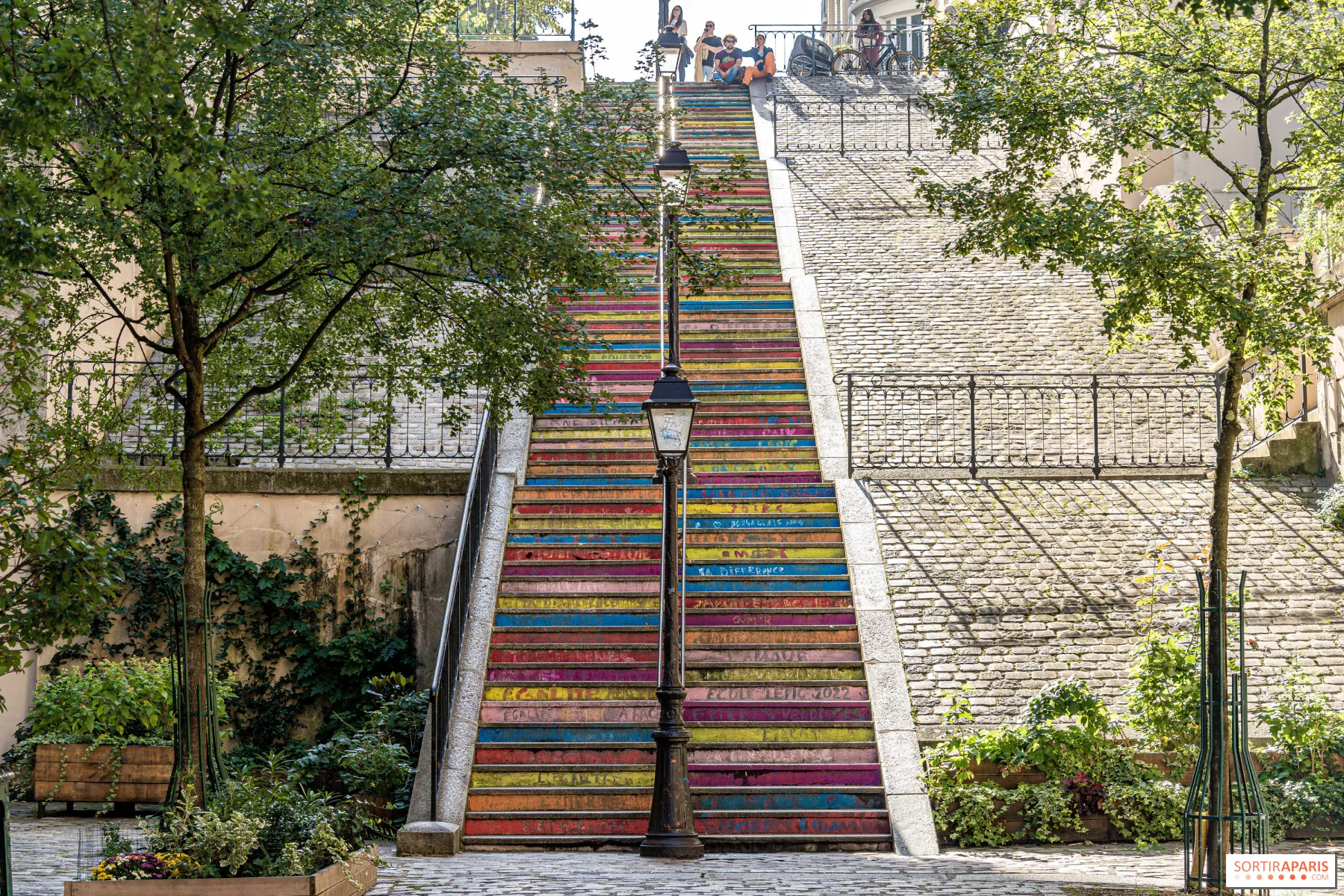
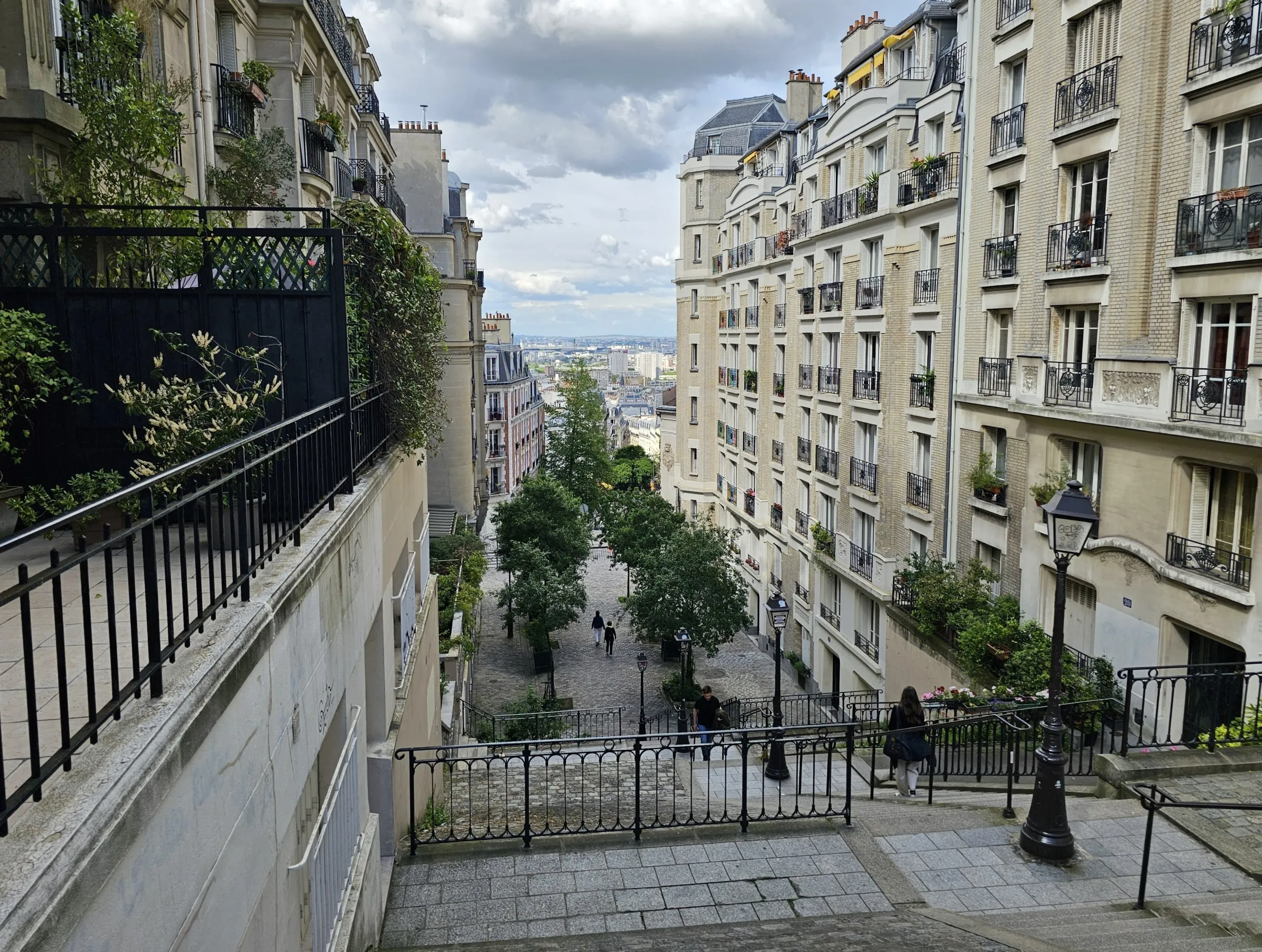
15) The staircases of the hill
Montmartre has dozens of stair runs, and they create some of the strongest leading lines in the neighborhood. Early light gives cleaner shadows and fewer obstructions.
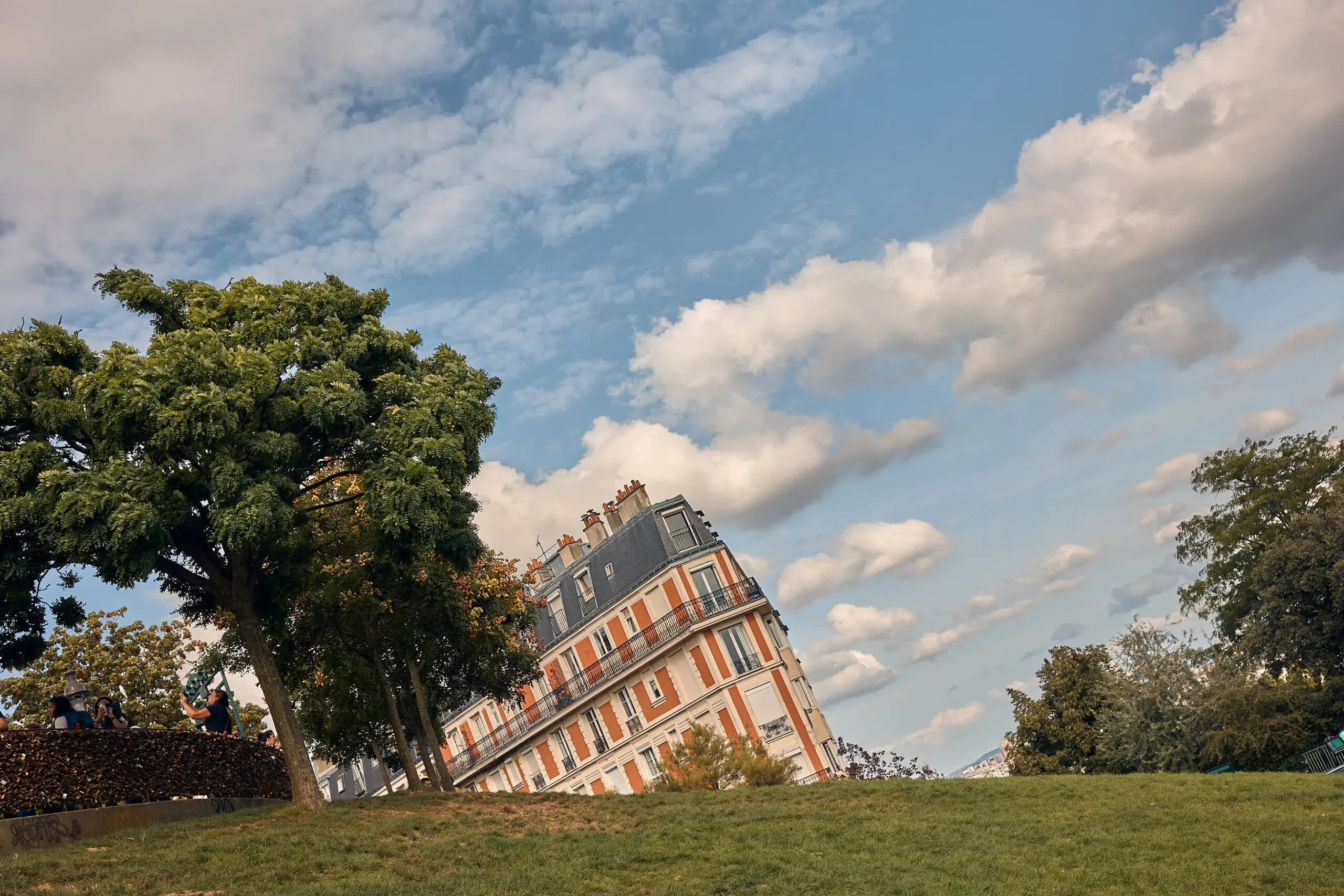
16) The so-called sinking house illusion
A playful optical composition near the basilica approaches. Alignment and camera tilt create the illusion, so this one is about technique more than location alone.
17) Square Marcel Bleustein Blanchet
A quieter garden perspective behind Sacre-Coeur with calmer framing options and seasonal plant colors.
18) Rue du Chevalier de la Barre
A classic uphill line toward the basilica. Use centerline framing for symmetry, or shift off-axis for a more editorial look.
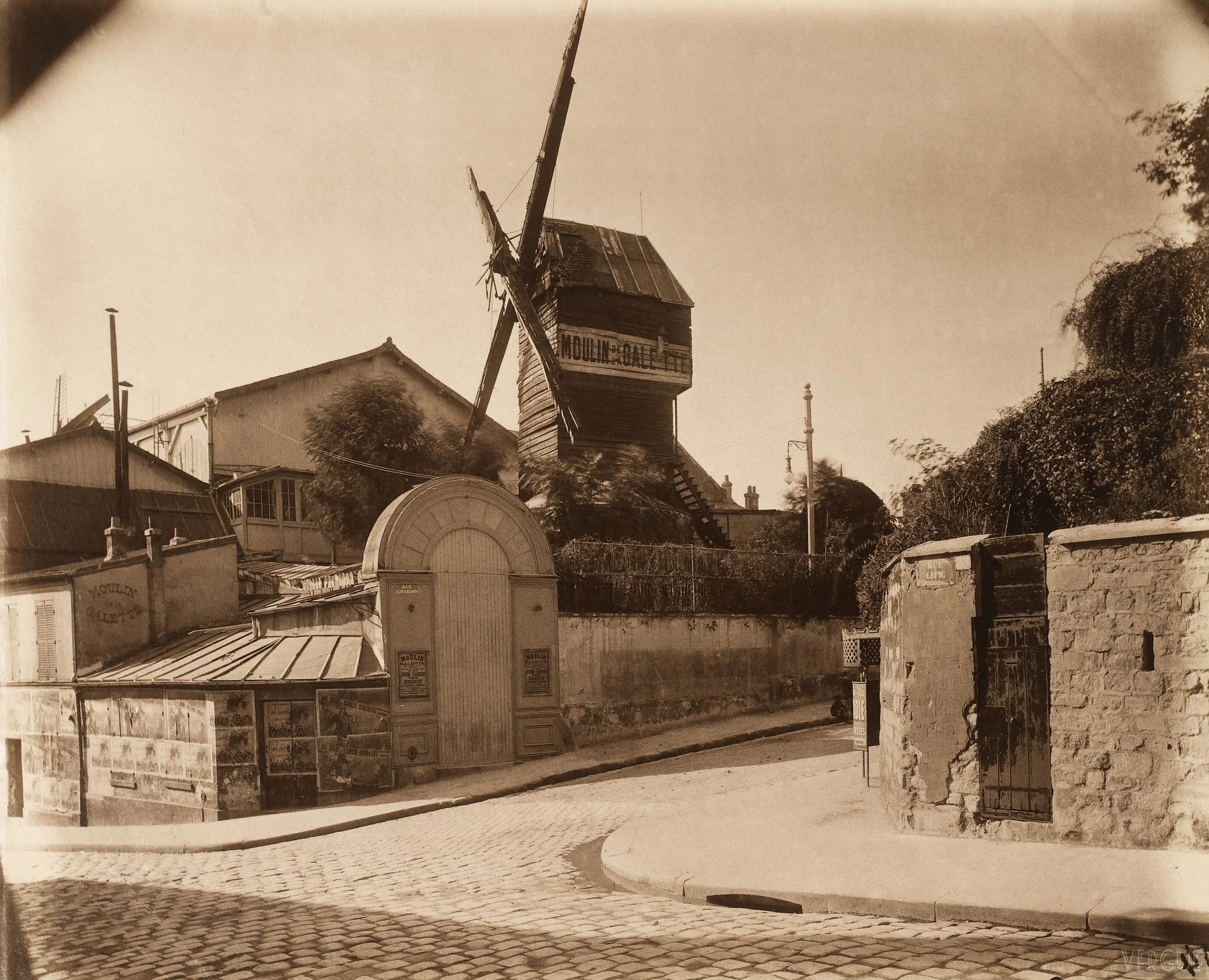
19) Moulin de la Galette and nearby windmill memory
A historic windmill landmark that connects visual charm with Montmartre's pre-modern identity.
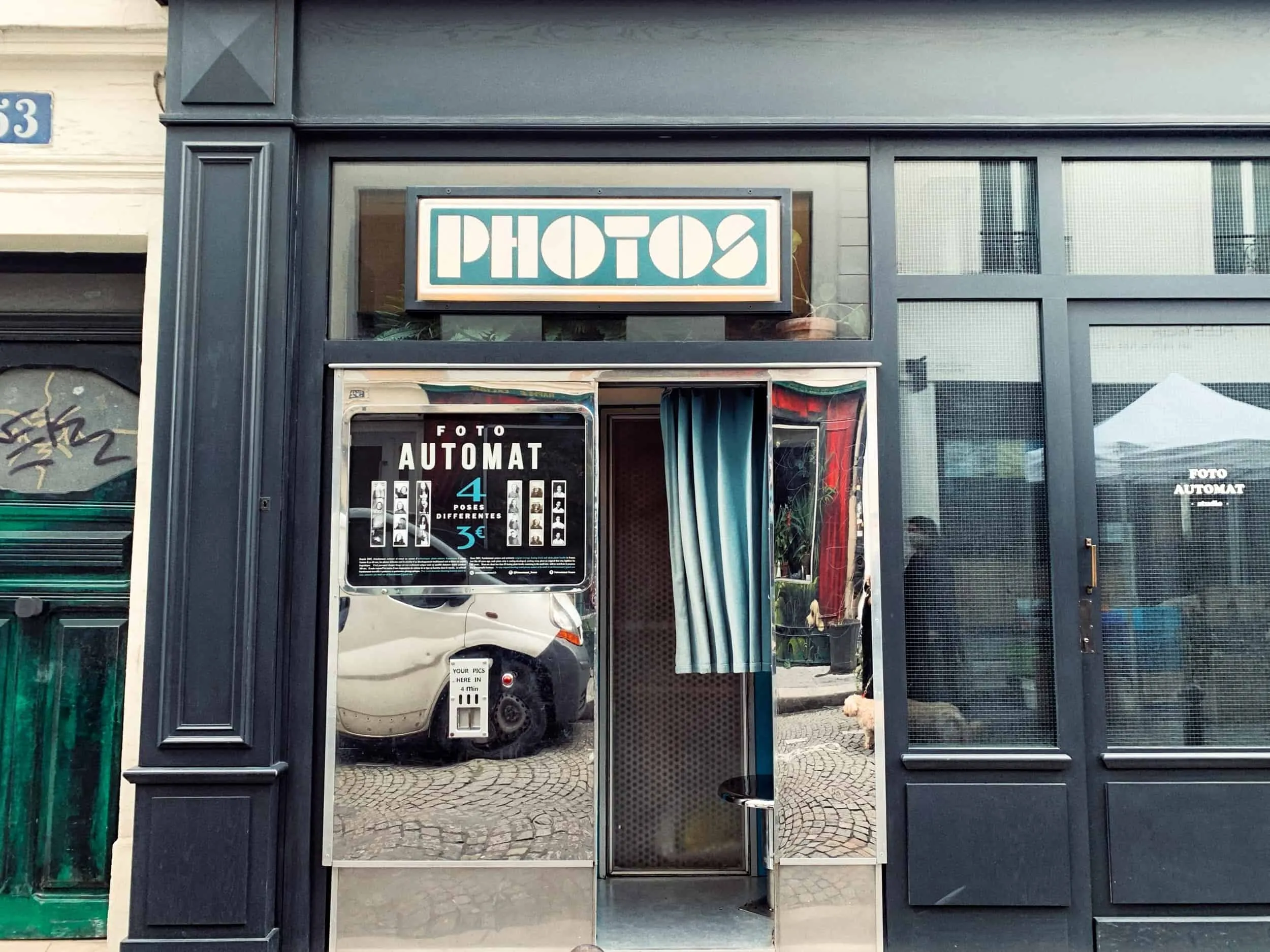
20) Vintage photo booth and niche street-art stops
For travelers who want playful portraits and pop-culture details, these final stops add personality beyond architecture.
Practical timing strategy for better photos
| Time block | Best targets | Why |
|---|---|---|
| 07:30-09:30 | Maison Rose, Rue de l'Abreuvoir, staircases | Soft light and fewer people |
| 09:30-11:30 | Cafe facades and metro entrances | Lively but manageable street rhythm |
| 16:30-19:30 | Sacre-Coeur approaches, viewpoints | Warm tones and layered skyline |
Micro-rules that improve your results
- Keep one wide shot, one human shot, one detail shot at each stop.
- Avoid standing in doorways of private homes and businesses.
- If a location is crowded, circle one block and return in 10 minutes.
Suggested two-part route:
Morning -> Abbesses, Rue des Abbesses, Maison Rose, upper lanes
Late day -> Sacre-Coeur, stairs, carousel, south-side descent
Access notes
Useful metro options for this trail:
- Line 12: Abbesses, Lamarck-Caulaincourt
- Line 2: Anvers, Pigalle
- Line 4: Chateau Rouge (longer approach)
If you stay in Montmartre, sunrise and blue-hour photography becomes dramatically easier because you avoid cross-city transit windows.
Narrative Chapter: Walking Montmartre as a Visual Story
Most photo guides are lists. Montmartre works better as a sequence. Start with signature images to orient your eye. Move into side streets to collect texture and mood. Finish at higher viewpoints when the light begins to soften and the city turns cinematic.
What changes during the walk is not only your gallery. It is your reading of the neighborhood. At first you chase famous frames. Later you notice shutters, stairs, signage, ivy, and reflections. Eventually you stop asking, "Where is the next photo spot?" and start asking, "What is this street saying right now?"
A simple storytelling framework for your shoot day
- Establishing image: show where you are.
- Human image: show how the place is lived.
- Detail image: show what the place feels like.
Use that sequence repeatedly and your Montmartre photos will read like a coherent travel story, not a random collection of highlights.
Bottom line
The most instagrammable places in Montmartre are not only pretty coordinates on a map. They are connected scenes in a neighborhood that rewards patience, respectful pacing, and attention to light.
Sobre el autor

Paris Neighborhood Guide
Esta guia fue creada para viajeros que quieren entender Montmartre como un barrio vivido, no solo como escenario. El objetivo es claro: mejores decisiones, planificacion mas inteligente y una experiencia sobre el terreno mas rica.
Tags
Comments (0)
Loading comments...